How to Use Your HSA: A Plain-Language Guide to Health Savings Accounts
An HSA is one of the best financial tools available to people with high-deductible health plans — but most people don't know how to use it. Here's everything you need to know.


A Health Savings Account (HSA) is one of the most powerful — and most misunderstood — financial tools available to people with high-deductible health plans. If you have one and aren't sure how to use it, you're leaving money on the table.
Who can use an HSA?
To contribute to an HSA, you must be enrolled in a High Deductible Health Plan (HDHP). In 2025, the IRS defines an HDHP as a plan with a minimum deductible of $1,650 for individuals or $3,300 for families. You also cannot be enrolled in Medicare or claimed as a dependent on someone else's tax return.
The triple tax advantage
HSAs have a tax advantage that no other account type matches:
- Contributions are tax-deductible — money you put in reduces your taxable income
- Growth is tax-free — if you invest your HSA balance, gains aren't taxed
- Withdrawals are tax-free — when used for qualified medical expenses
In 2025, contribution limits are $4,300 for individuals and $8,550 for families.
What expenses are HSA-eligible?
The IRS defines eligible expenses broadly. Common ones include:
- Doctor visits, specialist visits, urgent care
- Prescriptions and some over-the-counter medications
- Dental and vision care (often not covered by health plans)
- Mental health therapy and substance use treatment
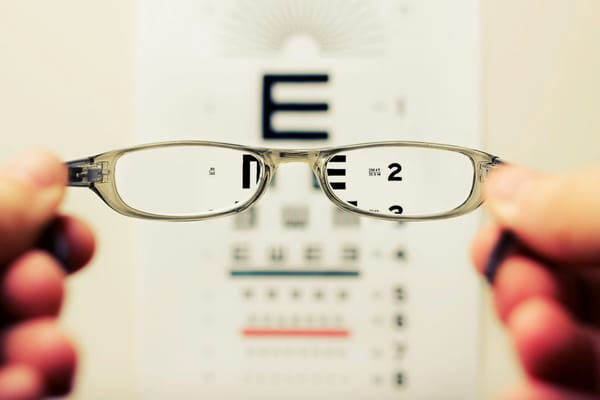
- Medical equipment (glasses, hearing aids, blood pressure monitors)
- Lab tests and imaging
Non-eligible expenses include most cosmetic procedures, gym memberships (unless prescribed), and health insurance premiums (with limited exceptions).
How to actually pay with your HSA
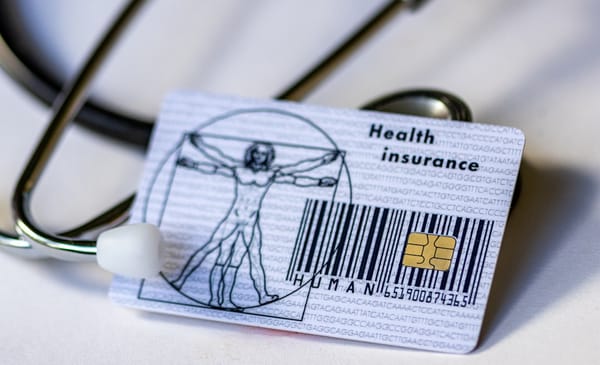
Most HSA providers issue a debit card. You can swipe it directly at the point of care — at the pharmacy, at checkout after a doctor visit, or when paying a medical bill online.
Alternatively, pay out of pocket and reimburse yourself later. Keep your receipts — the IRS can ask you to prove that withdrawals were for qualified expenses. There's no deadline for reimbursement, which means you can pay expenses today and reimburse yourself years later, letting your balance grow in the meantime.
A common misconception: the money rolls over
Unlike a Flexible Spending Account (FSA), HSA funds never expire. Whatever you don't spend this year rolls over to next year, and the year after that. Your HSA balance is yours permanently, regardless of whether you change jobs, change health plans, or retire.
Using your HSA in retirement
After age 65, you can withdraw HSA funds for any reason — not just medical expenses. Non-medical withdrawals are taxed as ordinary income, similar to a traditional IRA, but without the 20% penalty that applies before age 65. Used for medical expenses, withdrawals remain completely tax-free at any age. This makes the HSA an excellent retirement savings vehicle.
Investing your HSA balance
Many HSA providers allow you to invest your balance in mutual funds once it exceeds a threshold (often $1,000–$2,000). If you're healthy and can afford to pay medical expenses out of pocket, investing your HSA and saving the receipts for future reimbursement is a powerful long-term strategy.
Sources: IRS Publication 969 — HSAs, FSAs, and Other Tax-Favored Health Plans, IRS Publication 502 — Medical and Dental Expenses